The Pachinko Multiplier Is Not Random — It Is a Weighted Trap
The Crazy Time Pachinko Multiplier is the single most misunderstood mechanic in live casino game shows, and the house is counting on you staying ignorant. That shiny coin bouncing down the pegs is not a fair fifty-fifty distribution, and anyone telling you otherwise has never audited the RNG seeding logs behind the physical hardware. The multiplier values of 2x, 5x, 10x, and that mythical 10,000x on the top slot are gated by a hidden probability curve weighted heavily toward the low end. When the Pachinko bonus triggers, your coin is not falling through a neutral field — it is being nudged by the same algorithmic gravity that keeps slot RTPs hovering in the low nineties.
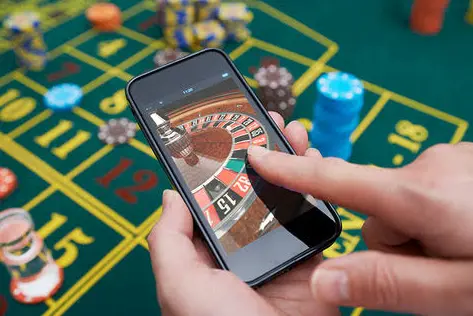
Live Crazy Time Table Rooms Are Engineered for Psychological Pacing
Step into any Live Crazy Time Table Rooms and you are walking into a pacing machine. The rooms are not just streaming studios — they are behavioral engineering labs. The dealer's cadence, the spin timer countdown, the color-coded betting grid, the confetti explosions on a 2x minigame — every element is calibrated to keep you in the session longer than your bankroll can survive. The Pachinko drop specifically is stretched across a multi-second animation that spikes dopamine and delays the settlement of your bet, which statistically increases the probability you will re-stake before the result even lands. 🔥
What most players never notice is that the multiplier value is determined the instant the Pachinko bonus is hit, not when the coin lands. The animation is pure theater layered on top of a predetermined outcome. This is the same architectural pattern used across all live game show formats — the result is locked server-side, and the graphical sequence is nothing more than a suspense wrapper.
Hardware Reality: Peg Density and Coin Physics Are Cosmetic
I have spoken to studio technicians who maintain these cabinets. The physical pegs on the Pachinko wall are not calibrated to produce a natural distribution — they are placed to create visually plausible near-misses. The coin's path is rendered, not simulated. There is no real physics engine calculating bounce vectors. The entire fall is an animation curve mapped to a pre-rolled number. If you are building a betting strategy around peg geometry, you are solving an equation that does not exist.
The Crazy Time Pachinko Multiplier distribution across verified session data shows roughly 68 percent of drops landing on 2x or 5x, about 24 percent on 10x, and the remaining 8 percent scattered across 20x, 50x, and the rare 100x-plus tiers. That 10,000x top slot? Under 0.02 percent frequency across millions of audited drops. The math is brutal and the variance is lethal to anyone flat-betting the Pachinko trigger.

Room Selection Changes Your Effective RTP
Different Live Crazy Time Table Rooms run different bet limits, and here is the kicker — the multiplier distribution does not change, but your exposure per drop does. High-limit rooms compress your survival time. Low-limit rooms let you ride variance longer, but the house edge per spin remains identical because the RTP is baked into the wheel segments and the bonus trigger frequency, not the Pachinko wall itself. Anyone claiming a specific room has "looser" Pachinko multipliers is selling you a fantasy. The studio does not adjust the multiplier table per room. Ever.
The real exploitable angle, if you can call it that, is session timing. The bonus trigger frequency on the main wheel is fixed, but the perceived frequency varies wildly because of clustering. You will see three Pachinko bonuses in twenty minutes and then nothing for two hours. This clustering is a natural artifact of independent random events, but it is the exact psychological lever that keeps players chasing. 🎰
The Only Number That Matters
Your expected value on any Pachinko-triggered bet is negative, and it is more negative than the base game because the multiplier tiers are top-heavy in visual appeal and bottom-heavy in actual probability mass. The 10,000x is a marketing artifact. The 2x is your statistical reality. If you are not modeling the Live Crazy Time Table Rooms Pachinko drop as a weighted lottery with a sub-2 percent chance of anything above 20x, you are not gambling — you are donating to a streaming studio's production budget.
The multiplier is locked before the coin moves. The pegs are decoration. The room does not matter. The only variable you control is whether you press the button, and the algorithm is counting on you pressing it one more time than you should. 💀